


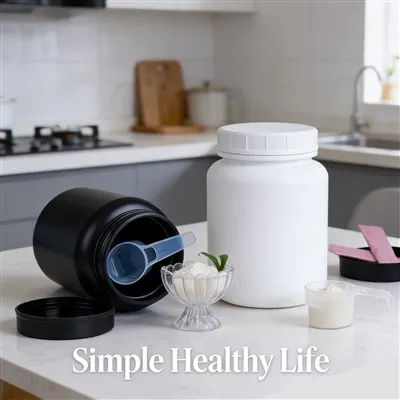
In recent years, consumers have become increasingly concerned about the safety and health of their drinking containers. The term "" has become a key factor when choosing bottles or packaging. Whether it's a gym water bottle, a vitamin container, or food packaging, people often ask:
Should I choose a BPA-free plastic bottle or a stainless steel one?
This article provides a rational comparison between the two options-from material properties and user experience to safety and cost-to help manufacturers, distributors, and consumers make informed choices.
1. What Is BPA and Why Does "BPA Free" Matter?
BPA (Bisphenol A) is a chemical widely used in plastics and resins, commonly found in polycarbonate (PC) and epoxy coatings. While it improves the clarity and durability of plastic, it can leach into food or beverages under high temperatures or prolonged use.
Studies suggest that long-term exposure to BPA may affect the endocrine system and pose potential health risks. That's why more and more HDPE (High-Density Polyethylene)-materials proven to be safe, stable, and widely accepted for food-grade packaging.
2. Advantages of BPA-Free Plastic Bottles
HDPE and PET bottles are lighter than metal bottles, making them easier to carry and ship. They're ideal for outdoor activities, children's bottles, or sports drinks.

Safe, Eco-Friendly, and Recyclable
Both HDPE and PET meet food-contact standards. Certified Hubei Mingda Plastics Products Co., Ltd. strictly control raw materials and production processes under FDA and ISO systems to ensure every bottle is odorless, non-toxic, and food-safe.


Cost-Effective for Mass Production
, plastic bottles offer lower mold costs and shorter production cycles compared to metal ones. Factories can easily customize color, shape, and volume, while surface treatments such as silk printing, UV coating, and plating enhance brand visibility.
Comfortable to Hold and Temperature-Resistant
Plastic bottles don't easily transfer heat or condensate on the surface. HDPE bottles can also withstand moderate heat during filling, making them suitable for honey, juice, and other food applications.
3. Pros and Cons of Stainless Steel Bottles
Highly Durable and Heat-Resistant
Stainless steel bottles excel in impact resistance and temperature retention, making them perfect for hot beverages. Many models also include insulation for longer heat preservation.
However, when used with acidic or salty drinks (like juices or sports beverages), stainless steel bottles may produce a metallic aftertaste. Their internal structure can also make cleaning more difficult, potentially leading to odor buildup or bacterial growth.
, stainless steel production is more complex and costly. It's suitable for high-end or premium product lines but less economical for large-scale food or supplement packaging.
4. Which Option Fits Your Product Best?
If you value lightness, safety, and cost-efficiency, BPA-free HDPE or PET bottles are your best choice. They balance safety, branding flexibility, and scalability.
If you aim for a premium image or hot beverage use, stainless steel bottles are suitable-but require attention to cleaning and rust prevention.
, the right choice depends on your market and positioning. For instance, Hubei Mingda Plastics Products Co., Ltd. offers a wide range of BPA-free plastic packaging solutions-from medicine and supplement bottles to food containers-ensuring safety and quality for every application.
5. Conclusion: Choose Based on Facts, Not Hype
"Premium" doesn't always mean "safer." In the packaging industry, the best material is the one that fits your real needs. Thanks to their , BPA-free plastic bottles are becoming the mainstream choice for global food and health product packaging.
Whether you are a plastic packaging manufacturer, food producer, or distributor, understanding the science behind materials helps you make smarter, more competitive market decisions.